Analyzing Player Habits During Switches from Calculated Card Games to Algorithm-Driven Slot Experiences on Verified Online Sites
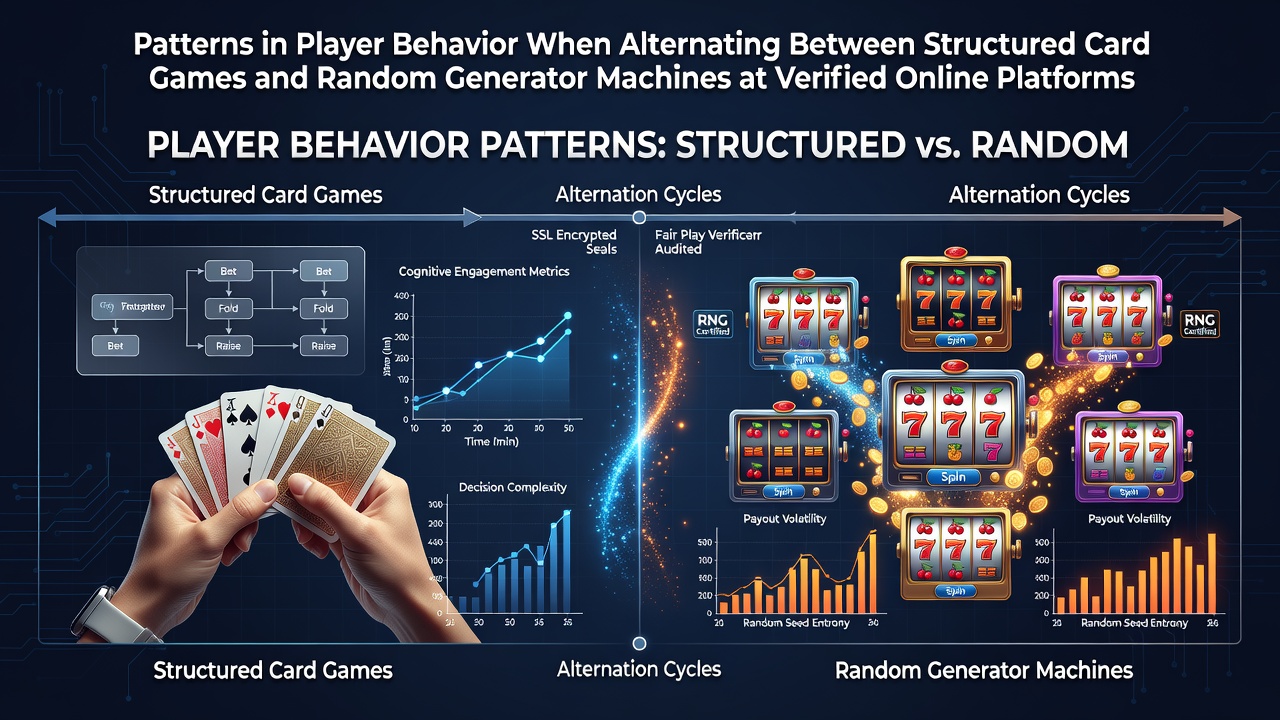
Players on verified online platforms frequently shift between structured card games such as blackjack and random generator machines like slots, and researchers have tracked distinct behavioral patterns during these transitions. Data collected across multiple jurisdictions reveals that individuals often adjust their session lengths, stake sizes, and decision-making processes when moving from games that reward skill and memory to those driven entirely by algorithms and probability. These shifts occur within environments regulated by bodies including the Nevada Gaming Control Board and the Malta Gaming Authority, where operators must maintain strict verification standards.
Studies conducted through academic partnerships with institutions like the University of Nevada, Las Vegas indicate that many users begin card game sessions with deliberate bankroll allocation strategies, whereas slot play tends to follow more fluid spending rhythms once the switch happens. Observers note that this alternation often stems from a desire to balance periods of active calculation with stretches of passive engagement, and figures from industry reports show session frequency rising notably during periods of regulatory stability.
Core Differences Driving Behavioral Adjustments
Structured card games require players to track outcomes, manage decisions based on visible information, and apply consistent rules across multiple rounds, while random generator machines operate on independent spins with no carryover influence from prior results. Those who alternate between the two formats demonstrate measurable changes in attention span, with card sessions typically sustaining focus for longer stretches before a transition to slots occurs. Evidence from platform analytics suggests that after extended card play, users often reduce average bet sizes during initial slot spins, possibly reflecting a recalibration of risk perception after exercising strategic control.
What's interesting here involves timing: many verified sites record peak switching activity during evening hours, and data released ahead of June 2026 shows consistent patterns across different player demographics. Researchers have documented how individuals who start with card games tend to treat subsequent slot sessions as recovery or entertainment phases rather than primary focus points, leading to shorter but more frequent visits to those games.
Observed Patterns in Stake Management and Session Flow
Platform logs from licensed operators reveal that stake adjustments happen rapidly upon switching formats. Players who maintain conservative wagers in card environments sometimes increase volatility tolerance when moving to random generator machines, yet overall expenditure often remains within predefined limits enforced by the sites themselves. According to reports compiled by the Canadian Gaming Association, this behavior correlates with users seeking variety without exceeding total session budgets, and similar trends appear in data shared by Australian regulatory bodies tracking digital gambling activity.
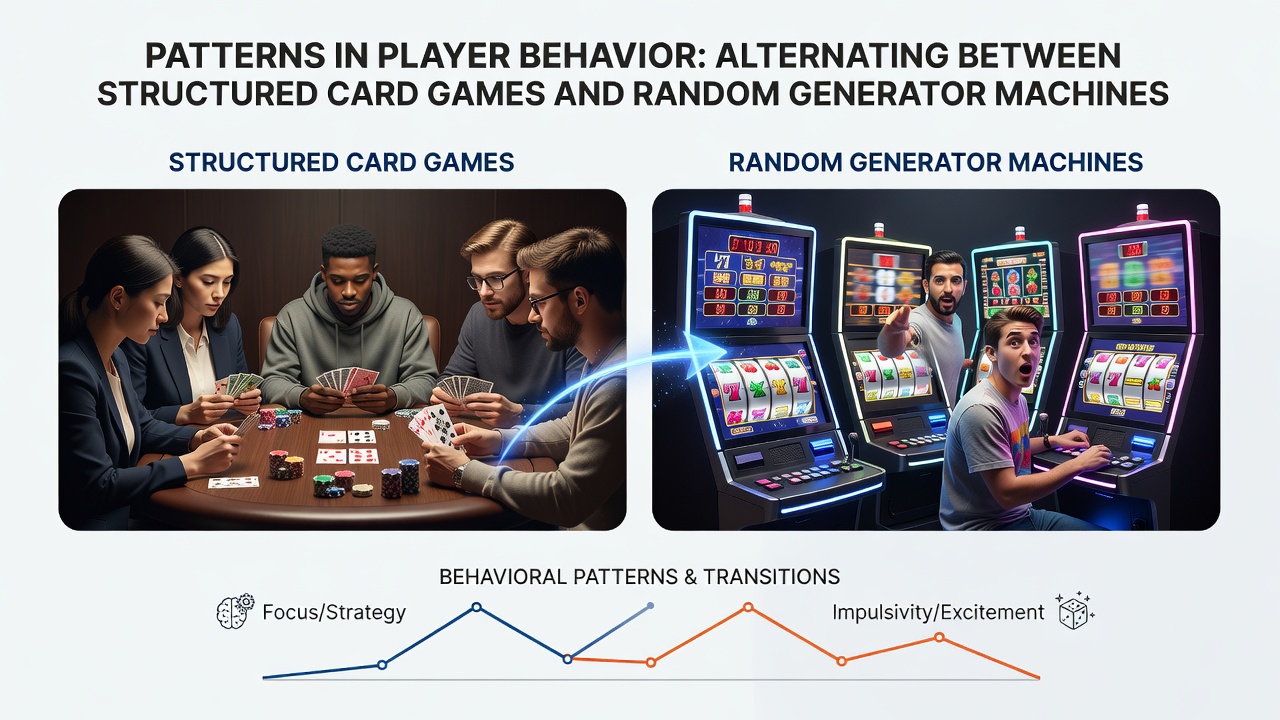
Take one analysis of multi-game users who logged activity over six months: transitions from card tables to slots frequently coincided with a temporary spike in spin frequency followed by a return to measured pacing once the initial novelty faded. These findings align with broader observations that players treat the two formats as complementary rather than competing activities within a single visit.
Psychological and Temporal Factors in Alternation
Research published through collaborative studies involving European gaming institutes highlights how time perception shifts during format changes. Card game participants often report heightened awareness of elapsed time due to the need for ongoing decisions, whereas slot engagement can compress that sense of duration because outcomes resolve instantly. When users move between these experiences on verified platforms, they commonly extend total playtime compared to single-format sessions, though individual game durations shorten after the switch.
But here's the thing: external factors such as promotional offers or leaderboard events also influence switching rates, and data gathered through 2025 into mid-2026 shows elevated alternation during bonus-driven periods. Those who've examined transaction records note that deposit patterns remain stable even as game preferences cycle, suggesting the behavior reflects preference for variety rather than escalation in financial commitment.
Regulatory Context and Platform Features Supporting These Patterns
Verified platforms incorporate tools like session timers and spending trackers that accommodate both game types, allowing players to maintain awareness across transitions. Regulatory frameworks in regions such as Nevada and Malta require transparent reporting of player activity metrics, which in turn enables researchers to identify recurring alternation cycles without compromising individual privacy. Figures released by the Nevada Gaming Control Board in early 2026 illustrate steady growth in multi-format participation among verified account holders.
One study revealed that users who employ self-imposed limits across both card and slot formats maintain more consistent overall activity levels than those who focus exclusively on one type. These observations come from aggregated datasets shared among international gaming research networks, underscoring how platform design and regulatory oversight together shape observable habits.
Conclusion
Patterns in player behavior when alternating between structured card games and random generator machines on verified online platforms reflect a combination of strategic recalibration, session timing preferences, and responses to platform features. Data from diverse regulatory sources including the Nevada Gaming Control Board and academic partners continues to document these dynamics through 2026, providing ongoing insight into how users navigate different game mechanics within controlled digital environments. Continued analysis of such transitions offers valuable information for understanding engagement across multiple formats without relying on assumptions about motivation.