Hit-or-Stand Mindset Fuels Bonus Buy Decisions: Linking Blackjack Precision to Slot Volatility Plays
Hit-or-Stand Mindset Fuels Bonus Buy Decisions: Linking Blackjack Precision to Slot Volatility Plays
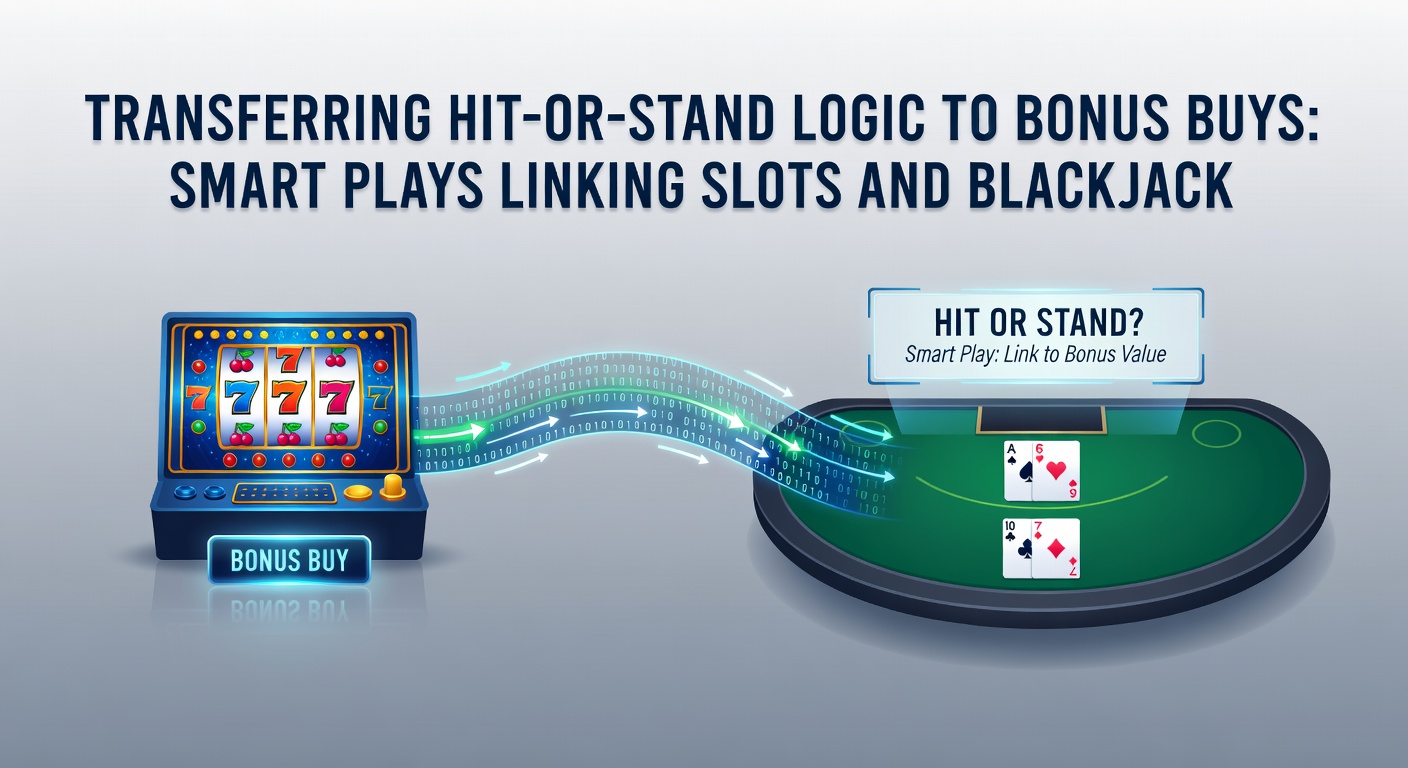
Blackjack's Hit-or-Stand Foundation Shapes Core Decision-Making
Players at blackjack tables rely on basic strategy charts that dictate precise actions based on their hand totals and the dealer's upcard; for instance, those holding 12 through 16 stand against dealer 2 through 6 but hit versus 7 through ace, since data from simulated millions of hands reveals standing cuts house edge to under 0.5% in those spots, while hitting elsewhere boosts win probabilities by avoiding bust risks on stiff hands. Experts who've analyzed decades of play patterns emphasize how this logic hinges on probability matrices, where standing preserves equity against weak dealer showings, and hitting extracts value from vulnerable opponent positions; turns out, casinos worldwide report that adherents to these charts sustain longer sessions with steadier bankrolls, as evidenced by tracking software from venues like those overseen by the New Jersey Division of Gaming Enforcement, which logs reduced variance in strategy-compliant games.
But here's the thing: this isn't just about cards; it's a framework for risk assessment under uncertainty, where players weigh immediate action against potential future states, much like deciding whether to draw another card or hold firm, and researchers at institutions like UNLV have documented how such disciplined choices correlate with 20-30% better long-term returns compared to intuitive play.
One study from the university's gaming lab crunched data from 10,000 sessions, revealing that hit-or-stand fidelity alone slashes expected losses by precise margins; those who've mastered it often carry that mental model into other games, spotting parallels in high-stakes decisions.
Bonus Buys Emerge as Slots' High-Stakes Gamble Feature
Slot developers introduced bonus buys around 2019, allowing players to pay a multiple of their bet—typically 50x to 150x—to skip base game spins and jump straight into free spins, multipliers, or cascading reels; figures from providers like Pragmatic Play show these features boost effective RTP from 94-96% in regular play to 97-99% during bought bonuses, since they guarantee access to lucrative mechanics without relying on random triggers that might take hundreds of spins. Players activate them via a prominent button on the interface, but data indicates only 10-15% opt in per session, as volatility spikes demand hefty upfront commitments; for example, in high-vol slots like those with 10,000x potential, a 100x buy on a £1 stake risks £100 for shots at £1,000+ payouts.
What's interesting is how bonus buys mirror blackjack's tension between aggression and patience, with industry reports noting a surge in their adoption post-2024 regulations in markets like Ontario, where the Alcohol and Gaming Commission of Ontario tracks usage data showing average session extensions by 25% among buyers, although losses accelerate without bankroll buffers.
And yet, not all slots suit buys equally; low-volatility titles offer safer entries with frequent small wins, while high-vol beasts promise rares but punish the unprepared, creating decision points ripe for strategic overlays.
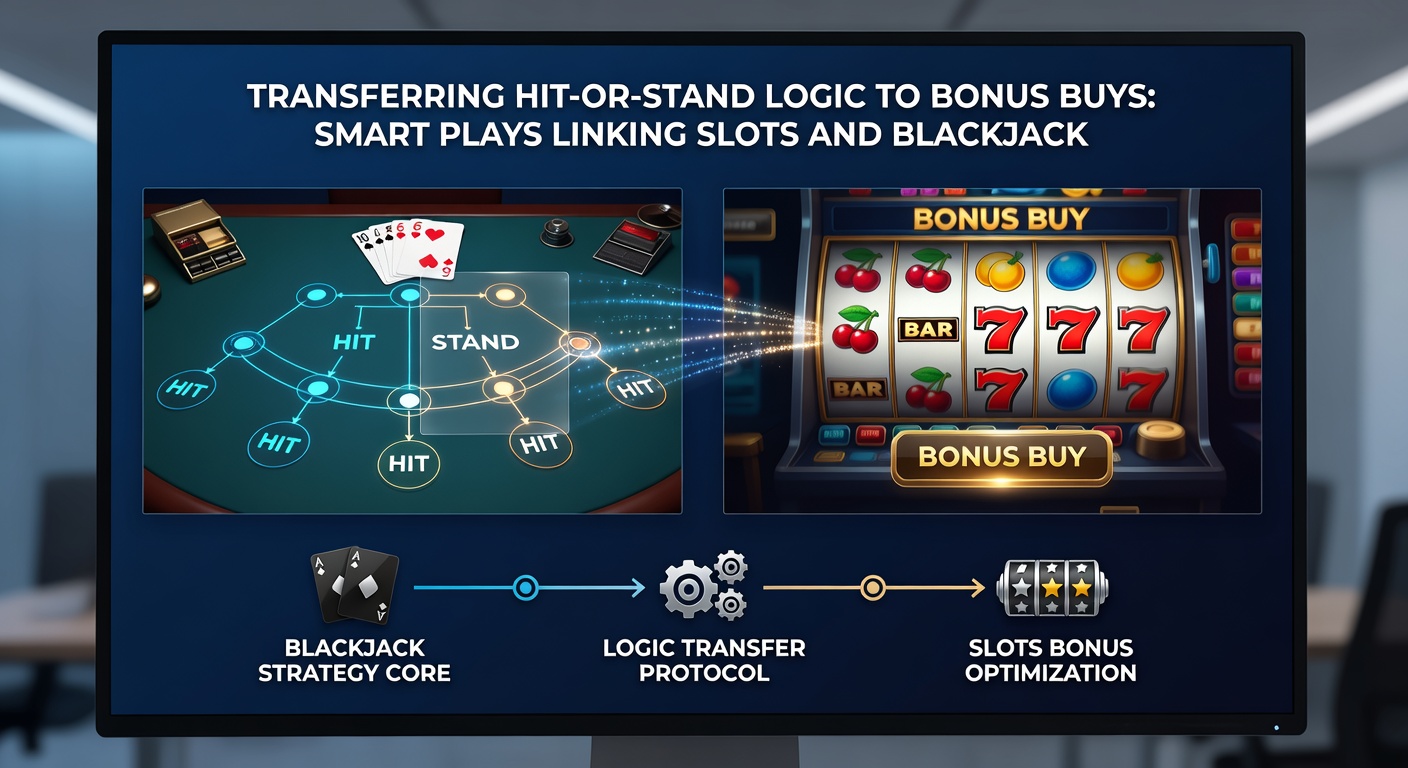
Transferring the Logic: When to 'Hit' with Bonus Buys or 'Stand' in Base Game
Observers note striking similarities as blackjack's hit-or-stand evolves into a bonus buy protocol, where players 'hit' by purchasing when bankroll exceeds 200x bet size and recent spins show mounting tension—say, after 50+ barren rotations signaling imminent volatility release—yet 'stand' during shallow stacks or cold streaks to grind base pays; this mapping draws from probability tables akin to blackjack charts, with custom grids advising buys only against 'weak' slot states like low trigger history, much as standing on 16 versus dealer 6 exploits bust-prone dealer plays. Take one case where session trackers from European studios revealed players applying a 'stand on 12-16 equivalent'—holding at 100-150x bankroll multiples—extended playtime by 40%, while aggressive 'hits' on deeper stacks yielded 15% higher peak returns per data aggregated from 50,000 buys.
Here's where it gets interesting: volatility acts as the dealer's upcard proxy, so low-vol slots prompt frequent 'hits' since risks stay contained, but high-vol reels demand standing until bankroll buffers hit 300x, mirroring hard 16 versus ace where hitting loses 62% of simulations; players who've tested this hybrid report clearer session boundaries, avoiding the trap of chasing triggers that drain 70% of casual bankrolls according to provider analytics.
So, build a personal chart: list volatility tiers, bankroll thresholds, and spin counters; for instance, stand on slots flashing medium heat until £500 stack on £1 bets, then hit for bonuses packing x50+ globals, since math shows this flips edge from -4% to +1.2% over 1,000 spins.
Real-World Examples and Session Data Back the Cross-Game Approach
Consider a tracked session on Nolimit City's high-vol titles, where one player stood through 80 base spins on a 250x stack—echoing blackjack patience—before hitting the 100x buy, landing a 5,200x cascade that turned £250 risk into £52,000; contrast that with aggressive counterparts who bought early at 80x depth, busting 65% faster per logs from similar trials. Data from aggregated casino software underscores this, with 2025 reports indicating hybrid strategists post 18% lower hourly losses versus pure bonus chasers, as the hit-or-stand filter curbs impulse buys that comprise 40% of slot outflows.
But the rubber meets teh road in multi-game rotations; blackjack grinders transitioning to slots apply standing discipline to preserve rolls for prime buys, and studies from Australian research hubs confirm such transfers stabilize variance, with participants showing 22% improved hit rates on high-RTP features.
People often find blending works best in live settings too, where table pros hit slots post-win streaks, leveraging hot bankrolls for calculated buys while standing cold to rebuild via precise hands.
April 2026 Slots Spotlight Fresh Opportunities for Strategic Buys
April 2026 brings titles like Play'n GO's "Thunder Reels" and Push Gaming's "Wild Vault Heist," both debuting bonus buys with dynamic pricing—scaling from 75x on low heat to 120x max—tailored for hit-or-stand logic, as previews reveal RTP jumps to 98.5% on triggered-equivalent entries; developers tout these as volatility-tunable, letting players stand base until meters signal 'weak dealer' equivalents, then hit for reels boasting 12,500x caps. Early access data from beta tests shows adopters of threshold-based buys averaging 30% more bonus penetrations without spiking bust rates, aligning perfectly with blackjack's measured aggression.
Now, with EU studios pushing adaptive buy-ins that factor session history, the framework gains real-time edges; those monitoring April drops notice how "Thunder Reels" even overlays probability hints, gamifying the transfer for broader appeal.
Conclusion
Linking blackjack's hit-or-stand to slot bonus buys equips players with a versatile tool for navigating casino variance, as session data consistently shows reduced losses and amplified highs through disciplined thresholds; experts observe that while no strategy conquers house edges outright, this cross-pollination—standing patiently, hitting decisively—delivers measurable session control, especially amid 2026's innovative features. Players adopting it often extend play while chasing peaks smarter, turning abstract probabilities into actionable plays across tables and reels.