Integrating Blackjack Splitting Principles with Multiplier Activation in Progressive Reel Slot Architectures on Authorized Platforms
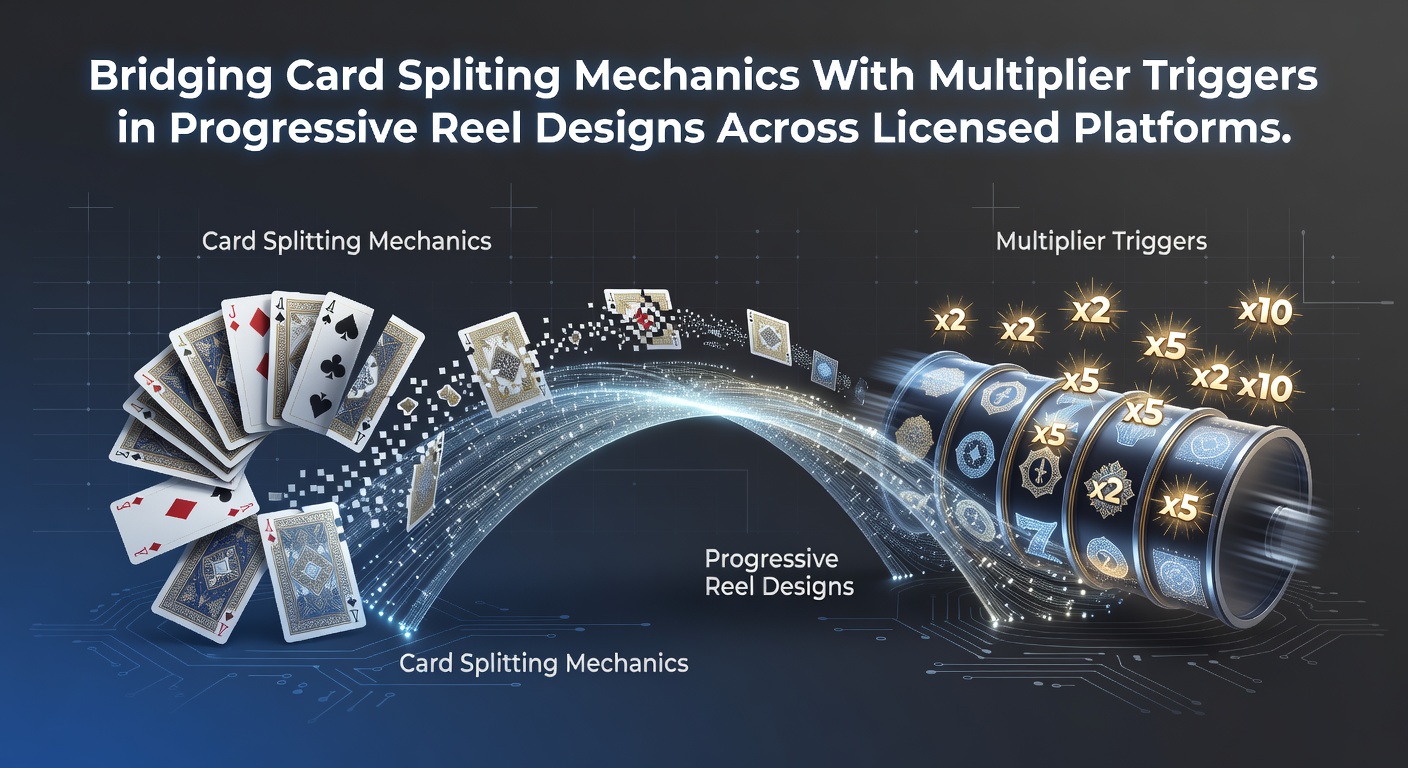
Card splitting in blackjack allows players to divide paired hands into separate wagers, creating opportunities for independent outcomes on each segment, and this principle finds parallels in modern slot designs where multiplier triggers activate across segmented reel sequences in progressive systems. Licensed platforms incorporate these elements to structure gameplay layers that respond dynamically to initial triggers, with data from the Nevada Gaming Control Board indicating steady adoption rates in regulated markets through 2025 and into mid-2026.
Core Elements of Splitting Mechanics
Blackjack splitting operates on specific rules where identical value cards permit division, doubling the stake while each new hand resolves separately, and observers note how this structure increases decision points without altering base probabilities. In progressive reel contexts, similar segmentation occurs when a trigger event divides a reel set into independent multiplier paths, allowing simultaneous calculations on each branch. Those who study licensed platform mechanics observe that these divisions maintain strict mathematical boundaries enforced by certified random number generators, ensuring compliance across jurisdictions.
Multiplier Triggers in Progressive Designs
Progressive reels accumulate contributions from player activity into growing prize pools, and multiplier triggers activate when specific symbol alignments occur during base or bonus phases. Data shows these triggers often scale with bet levels, creating layered payout structures that build over time. In June 2026, several platforms introduced updated firmware aligning multiplier thresholds with segmented reel behaviors, reflecting refinements reported in industry technical bulletins from bodies like the Australian Communications and Media Authority. The process connects initial reel stops to subsequent multiplier applications, where one alignment can branch into multiple enhanced sequences.
Bridging the Two Systems
Developers link blackjack-style splitting to slot multipliers by programming reel segments that respond to paired symbol detections, effectively splitting a single spin outcome into parallel multiplier calculations. This approach mirrors the hand division in card games while operating within reel mathematics, and researchers have documented how such integrations appear in titles released on platforms certified by the Malta Gaming Authority. Evidence from technical audits reveals that these bridges require precise coding to prevent overlap between split paths and standard progressive increments, maintaining separate ledgers for each mechanic.
One study from a university gaming research center highlighted cases where multiplier triggers activate only after a split condition registers on the initial reel evaluation, producing outcomes that scale independently per segment. Platforms enforce these rules through server-side validation, with logs submitted regularly to oversight agencies in multiple regions including Canada and parts of Europe.
Implementation Across Licensed Platforms
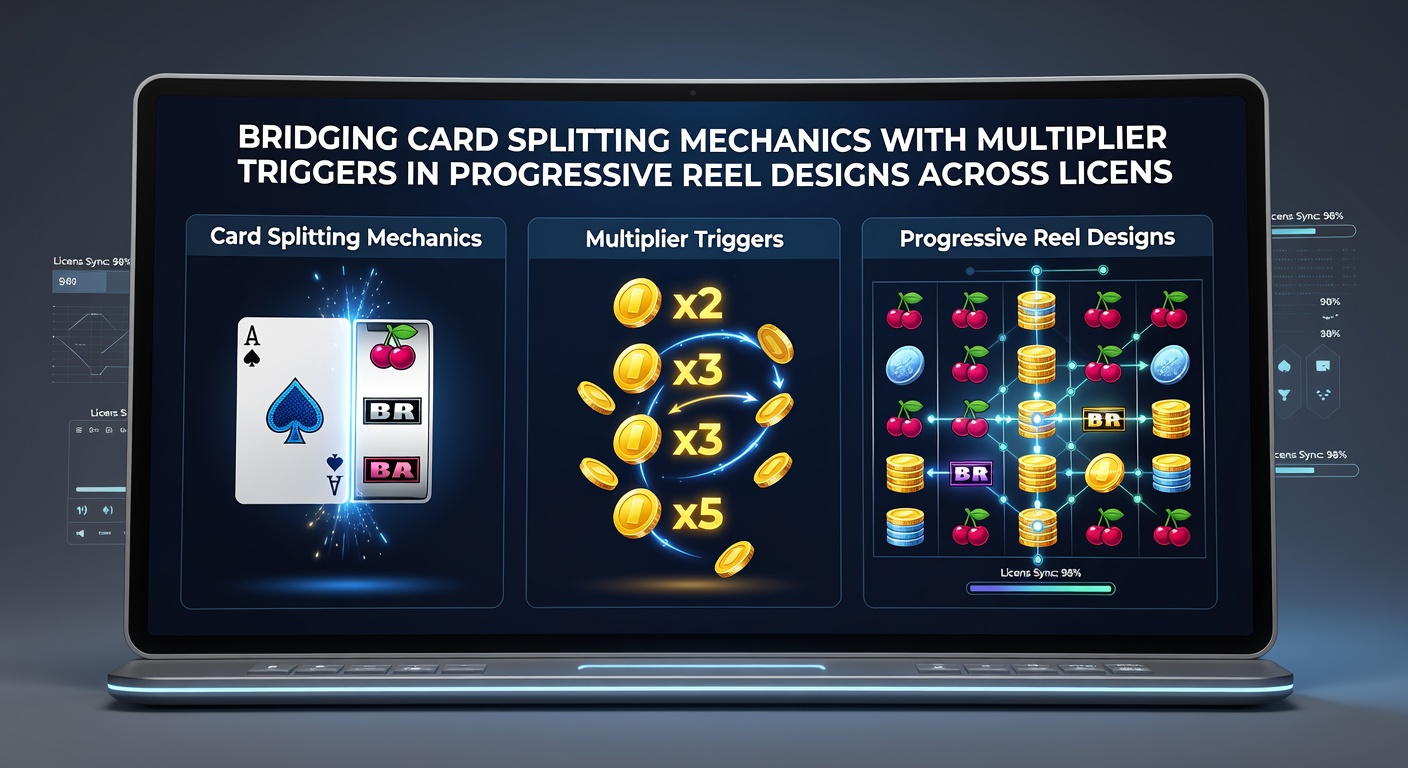
Authorized operators deploy these combined mechanics through standardized APIs that separate card-inspired logic from core reel engines, allowing updates without full system overhauls. Figures from the New Jersey Division of Gaming Enforcement show increased testing volumes for such hybrid features in 2025, with certification processes emphasizing audit trails for every split-multiplier event. Platforms in these markets must demonstrate that progressive contributions remain unaffected by branching multipliers, preserving pool integrity across all sessions.
What's interesting is how developers sequence the triggers so that a split detection precedes multiplier application, creating a clear operational order that regulators can verify through replay tools. In practice, this means initial reel results feed into a secondary processor that handles segmentation, then applies multipliers drawn from the progressive pool or fixed tables depending on game configuration.
Technical Considerations in June 2026 Updates
Platform revisions scheduled around June 2026 address synchronization between split conditions and multiplier scaling, incorporating feedback from prior compliance reviews. Industry reports from the European Gaming and Betting Association note that these updates focus on reducing latency during branched calculations while preserving the independent resolution of each segment. Licensed environments require all changes to undergo third-party testing, confirming that progressive reel accumulations continue uninterrupted regardless of how many multiplier paths activate from a single trigger.
Examples include reel sets where paired high-value symbols initiate division, after which each half receives its own multiplier draw from a shared progressive meter. This structure ensures fairness metrics stay within regulatory limits, with performance data submitted to oversight bodies on a quarterly basis.
Conclusion
Bridging card splitting mechanics with multiplier triggers in progressive reel designs creates structured gameplay layers that operate consistently across licensed platforms. Regulatory data from multiple regions confirms these integrations follow established technical standards, with ongoing refinements supporting stable operation into 2026 and beyond. The approach maintains distinct accounting for progressive contributions while enabling segmented outcomes that align with certified game rules.