Mental Frameworks from Blackjack Applied to Symbol Tracking in Progressive Slot Systems
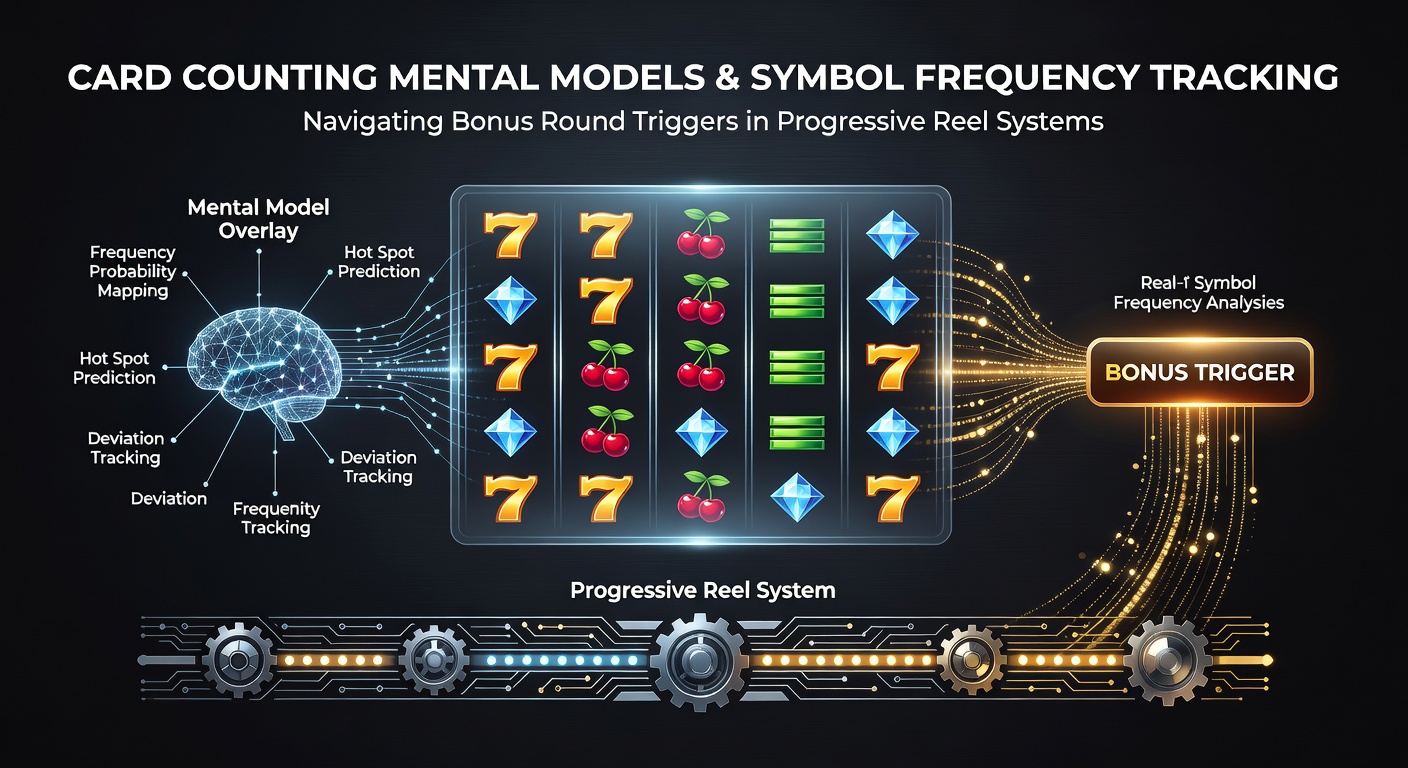
Players familiar with blackjack counting systems often explore similar mental approaches when engaging with progressive reel machines, where tracking symbol frequencies becomes a way to anticipate bonus round activations. These models draw from established probability principles that researchers have examined across various gaming formats, focusing on observable patterns rather than guaranteed outcomes. Data from industry reports indicate that progressive systems incorporate multiple reels with layered symbols, including wilds and scatters, which trigger features at rates determined by the underlying random number generators.
Core Principles Behind Frequency Tracking
Card counting in blackjack relies on assigning values to cards as they appear, allowing observers to estimate remaining deck composition and adjust decisions accordingly. When applied to slots, this translates into monitoring the emergence of specific symbols across spins, noting their distribution to form an internal reference for upcoming sequences. Studies from academic institutions such as the University of Nevada, Reno have explored how human perception handles sequential randomness, revealing that individuals can maintain rough tallies of recurring elements when games present consistent visual cues. Progressive reels add complexity because jackpot contributions accumulate across linked machines, yet the symbol mechanics remain governed by fixed probability tables published by manufacturers.
One might notice that certain symbols appear more frequently in base play while rarer combinations align with bonus entries. Those who study these systems record instances where scatter symbols cluster within defined windows, creating opportunities to recognize shifts in the reel state. Evidence suggests that mental models help players sustain attention during extended sessions, though regulatory bodies like the Nevada Gaming Control Board emphasize that each spin operates independently of prior results.
Practical Application in Progressive Environments
Progressive reel systems typically feature escalating tiers of bonuses, from minor free spin rounds to major jackpot events. Adapting counting techniques involves categorizing symbols into groups based on their contribution to triggers, much like distinguishing between high and low cards. Observers note that players sometimes track the absence of key symbols over multiple spins, building an expectation that their reappearance draws nearer according to overall frequency rates. This approach mirrors how blackjack counters adjust bets when the count favors the player, except here adjustments center on session pacing and feature selection rather than wager size.
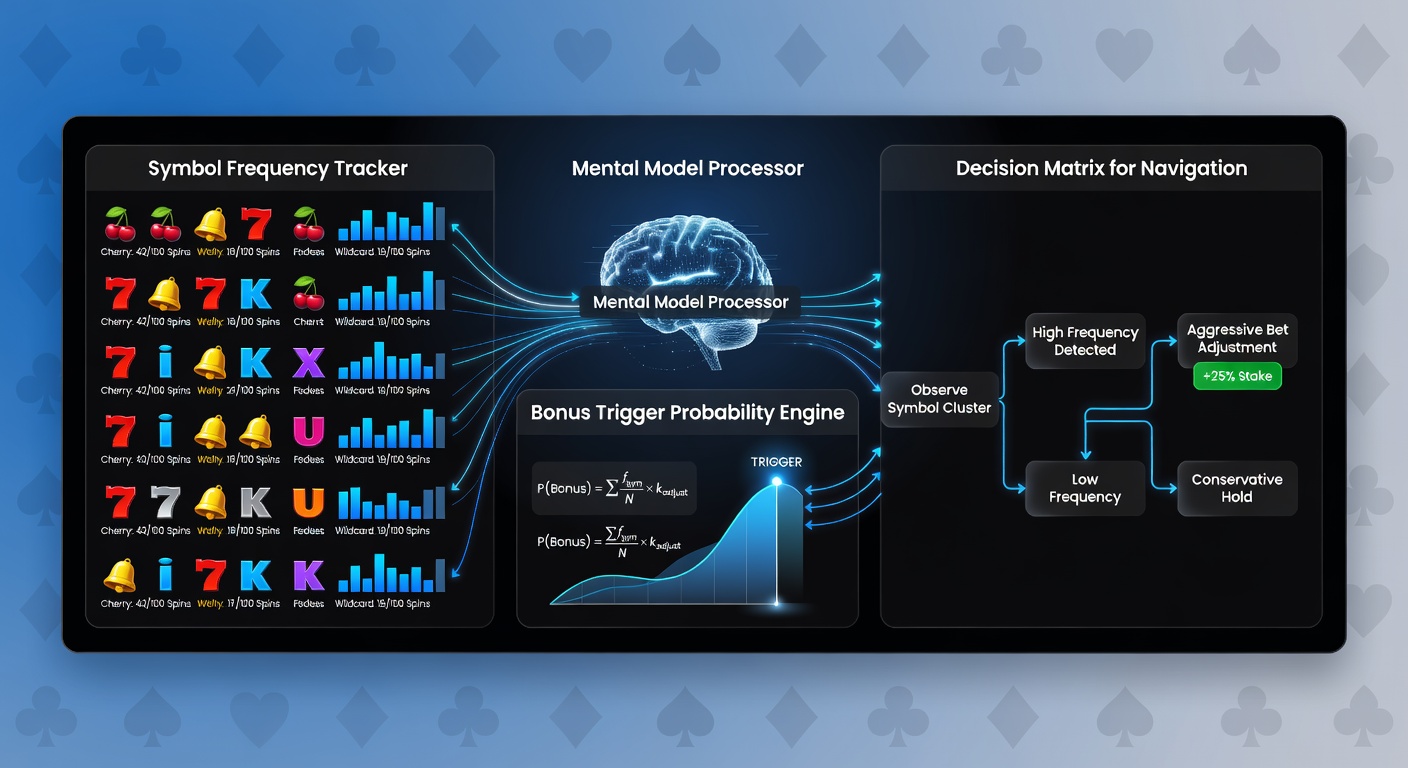
What's interesting is how software updates in May 2026 introduced enhanced visual indicators on several progressive titles, displaying symbol counters or history logs that support such tracking methods. These features allow participants to reference recent outcomes without relying solely on memory, aligning with findings from gaming research organizations that periodic feedback improves pattern recognition accuracy. Yet the core randomness persists, as confirmed by independent testing labs that certify payout percentages remain stable regardless of visible history displays.
Challenges and Limitations of the Approach
Reel systems differ fundamentally from card decks because symbols return to the pool after each spin, eliminating the depletion effect central to blackjack counting. Researchers at institutions focused on behavioral economics have documented that attempts to apply strict counting can lead to overinterpretation of short-term variance, where clusters of symbols create illusions of predictability. Progressive mechanics further complicate matters since jackpot triggers often require simultaneous alignment across multiple machines or specific coin-in thresholds that operate separately from individual reel outcomes.
Industry data reveals average bonus trigger rates hover between 1 in 150 to 1 in 300 spins depending on the title, figures that remain consistent across large sample sizes collected by manufacturers. Players who maintain frequency logs sometimes combine this information with bankroll management strategies, shifting focus toward machines showing recent bonus activity in shared progressive networks. This mirrors disciplined approaches seen in table games, where external factors like table limits influence decisions while core probabilities stay fixed.
Integration with Broader Gaming Strategies
Those examining cross-game tactics often link symbol tracking to volatility awareness, selecting progressive titles whose paytables reward consistent small wins alongside occasional feature entries. Reports from European gaming associations highlight that informed participation correlates with longer session durations when players set clear parameters for when to switch machines or adjust bet levels. Mental models provide structure during these transitions, helping individuals maintain focus amid the rapid spin cycles characteristic of modern reel hardware.
Examples drawn from player observation studies show that grouping symbols into frequency tiers, such as high-frequency base symbols versus low-frequency triggers, enables quicker mental calculations similar to running counts in blackjack. This structured viewing does not alter the random sequence but supports more deliberate choices regarding which progressive link to pursue or when to engage bonus buy options if available.
Conclusion
Applying card counting mental models to symbol frequency tracking offers a structured lens for navigating bonus round triggers within progressive reel systems, grounded in observable patterns and published probability data. While each outcome remains independent, the frameworks assist with attention management and session organization according to research from multiple academic and regulatory sources. As gaming technology evolves with clearer visual aids, participants continue to explore these cross-disciplinary approaches within established boundaries set by game design and oversight standards.