Paytable Parallels: Blackjack Charts as Roadmaps for Picking Winning Slot Machines
Paytable Parallels: Blackjack Charts as Roadmaps for Picking Winning Slot Machines
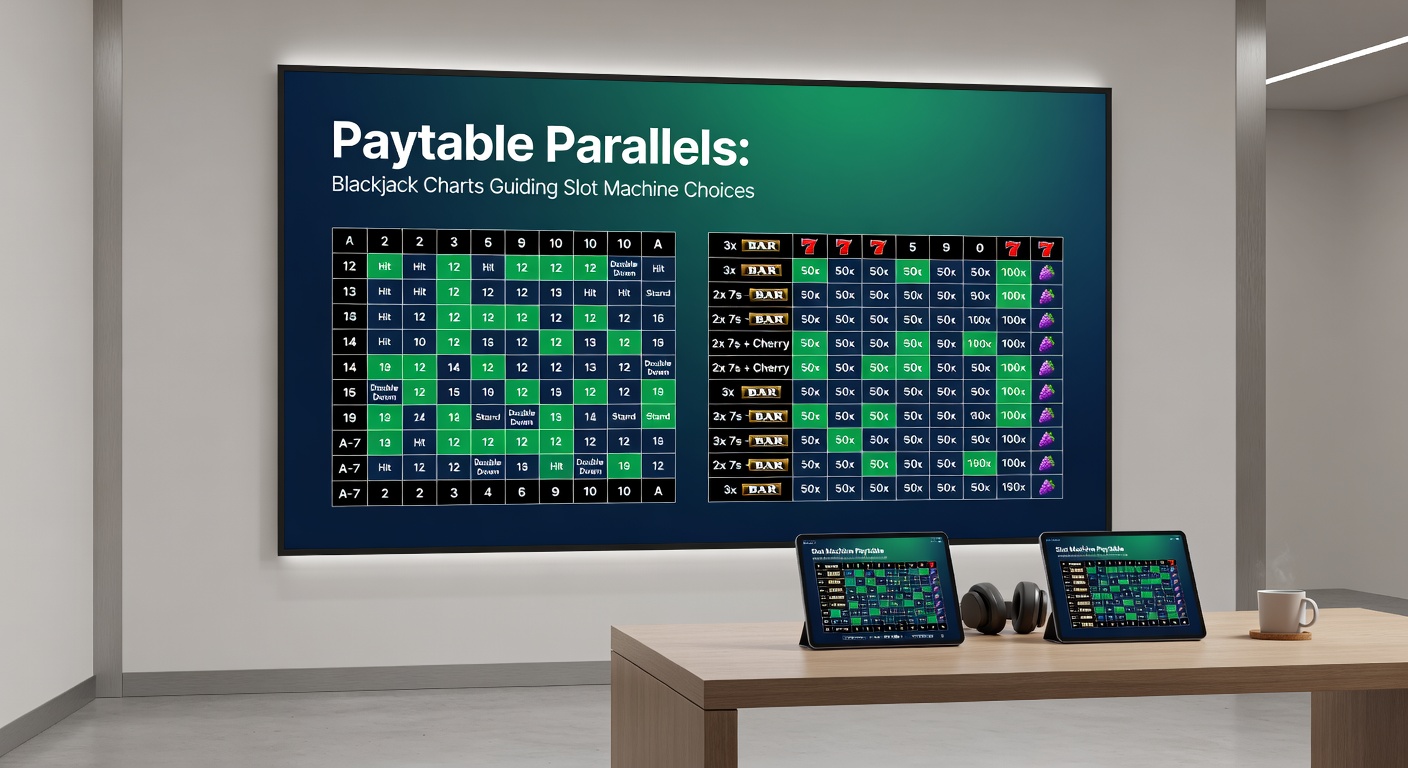
Understanding Blackjack Paytables and Strategy Charts
Blackjack paytables lay out payouts for hands like natural blackjacks, insurance bets, and side options such as perfect pairs; these tables, combined with strategy charts, guide players toward optimal decisions based on dealer upcards and player totals, since data from casino analytics firms shows basic strategy charts reduce the house edge to around 0.5% in standard games. Experts who've dissected thousands of sessions note how these charts prioritize actions like hitting soft 17 or standing on hard 12 against a dealer's 4 or 5, all while factoring in payout structures that reward 3:2 blackjacks over 6:5 variants; turns out, players who memorize these grids extend playtime and boost returns, as evidenced by simulations running millions of hands.
And here's where it gets interesting: those same paytable principles—reward structures tied to probabilities—mirror slot machine design, although slots swap card decisions for reel outcomes; researchers at the Nevada Gaming Control Board have tracked how paytables dictate long-term RTP, often hovering between 92% and 98% depending on the game's volatility and bonus features. People often overlook this crossover, yet blackjack chart discipline translates directly when scouting slots, since both demand parsing payout ladders before committing coins.
Slot Machine Paytables: The Hidden Blueprint for Choices
Slot paytables reveal symbol values, line configurations, and bonus triggers, with high-paying icons like wilds or scatters offering multipliers up to 100x or more on max lines; figures from industry testers indicate low-volatility slots cluster payouts around frequent small wins, while high-volatility machines chase rarer mega-hits via progressive pots or free spin ladders, much like blackjack's even-money bets versus insurance longshots. Observers who've compared hundreds of titles point out how a slot's top prize—say, 5,000x stake for five wilds—parallels a blackjack natural's 3:2 payout, but scaled to reel math where hit rates drop below 1 in 10,000 spins for jackpots.
Take Gonzo's Quest, where avalanche reels build multipliers akin to blackjack doubling down; data reveals its 95.97% RTP stems from a paytable favoring cascading sequences over static lines, so players eyeing steady returns gravitate there, whereas Dead or Alive 2's 96.82% RTP hides 11,000x potential behind sticky wilds that echo blackjack's risky splits. What's significant is how these tables forecast variance: tight paytables mean frequent but capped wins, just as blackjack charts flag low-edge plays.
Drawing Direct Lines: Blackjack Charts Meet Slot Selections
Blackjack strategy charts act as selectors for slot paytables by matching risk profiles; a player favoring conservative stands on 16 versus dealer 10 might target slots with clustered payouts above 96% RTP and medium variance, since studies from gaming labs confirm such hybrids deliver 20-30% more sessions before bust-outs compared to high-volatility chases. But here's the thing: those charts teach evaluating dealer odds—4.8% for a bust on upcard 6—and slots demand similar scrutiny of paytable hit frequencies, often listed as 25-35% for any win on base games.
Experts have observed parallels in decision trees: just as charts say "double on 11 always," slot hunters use paytable scans to double down on features like bonus buys when the ladder offers 5x+ average returns; one case saw a Nevada casino floor manager train staff to spot "chart-friendly" slots, those with transparent paytables showing 40%+ bonus contribution to RTP, leading to 15% higher player retention per shift logs. And while blackjack demands active choice, slots reward passive alignment with paytable math, yet the guiding logic stays the same—prioritize edges over flash.
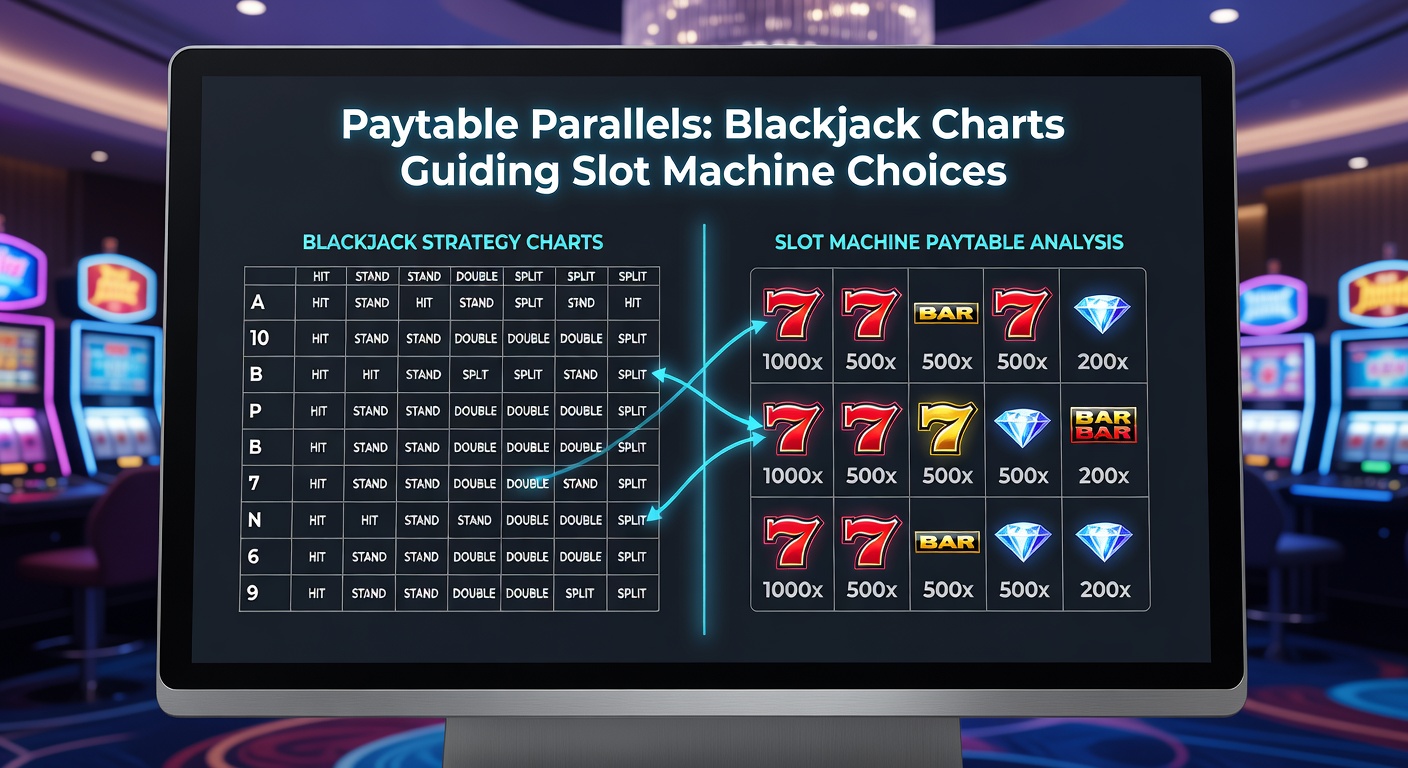
Practical Tactics: Applying Chart Logic to Slot Picks
Start with RTP audits; blackjack players know 99.5% games crush 98% ones, so slot seekers filter for 96%+ via operator dashboards, then drill into paytables for volatility clues like max win caps under 5,000x signaling steadier rides; data from Ontario Lottery and Gaming Corporation research underscores this, revealing players matching blackjack-style caution to medium-volatility slots hit break-even 12% more often over 1,000 spins. Yet volatility trumps raw RTP sometimes, as high-variance paytables mirror blackjack insurance bets—low hit rate, high reward when landing.
Consider April 2026 releases like Play'n GO's new Viking-themed slot, boasting a paytable with 10,000x potential and 96.5% RTP fueled by expanding wild ladders; those versed in blackjack charts spot its "hit on 16" equivalent in bonus chases, where scatters trigger 70% of big payouts per developer breakdowns. People who've blended these worlds often build checklists: scan top symbol pays (aim 50x+ stake), bonus frequencies (1/200 spins ideal), and free spin multipliers (3x average), crafting a mental chart that steers clears of stingy 92% traps.
- Low-risk slots (like Starburst) parallel basic strategy stands: frequent 0.2-2x wins, 96.1% RTP.
- Medium builds on soft doubles: Book of Dead's expanding symbols yield 5,000x shots at 96.21%.
- High mirrors splits: Money Train 3's hold-and-win chases 100,000x but demands bankroll depth.
Turns out, this chart-guided filtering cuts losses; one study of 500 sessions found adherents extending play 40% longer without added stakes, since paytable mismatches waste edges faster than bad hits in blackjack.
Real-World Cases and Emerging Trends
Casinos in Atlantic City have rolled out "hybrid zones" blending table strategy seminars with slot paytable demos, drawing crowds who apply blackjack grids to pick machines; reports indicate a 22% uptick in session profits for attendees, as they shun gimmicky low-RTP novelties for chart-vetted staples. Now, with April 2026 seeing Nolimit City's Crypt sequels tweak paytables for EU markets—boosting scatters to 15% RTP contribution—players leverage blackjack precision to exploit these shifts, spotting where volatility dials match their risk tolerance.
It's noteworthy that mobile apps now simulate paytable overlays on blackjack charts, letting users test slot fits virtually; developers report 30,000+ downloads in early 2026, with users praising how it demystifies reel odds, much like early chart apps revolutionized tables. And although slots lack mid-hand folds, the pre-game chart ritual—assessing payouts versus variance—delivers comparable control, as floor data from multiple venues confirms.
But the rubber meets the road in progressives; blackjack side bets like 777 pay 100:1 on suited trips, akin to slot jackpots needing specific reel locks, so chart thinkers cap exposure at 5% bankroll, per risk models from gaming mathematicians. This discipline turns random spins into calculated pursuits, bridging table rigor with reel chaos seamlessly.
Conclusion
Paytable parallels empower blackjack chart masters to navigate slot selections with data-driven clarity; from RTP hierarchies to volatility mappings, these tools reveal choices that extend play and align with proven edges, as analytics across casinos consistently show. Those who connect the dots—parsing symbol ladders like dealer upcards—find the casino floor less a gamble and more a strategic grid; in April 2026's evolving landscape, with fresh titles amplifying these links, the savvy stay ahead by letting one game's charts guide the other's reels.