Splitting Aces, Stacking Multipliers: Cross-Game Strategies Uniting Blackjack Precision and Slot Volatility
Splitting Aces, Stacking Multipliers: Cross-Game Strategies Uniting Blackjack Precision and Slot Volatility

Blackjack tables demand sharp decisions on splitting pairs, while slot reels tempt with multiplier chases that can explode winnings; yet those who master both discover overlapping tactics that stretch bankrolls further, blending table discipline with reel unpredictability in ways that data consistently supports across casino floors and online platforms.
Turns out players navigating these games often apply similar risk-assessment principles, since splitting in blackjack mirrors the calculated pursuit of multipliers in slots—both hinge on recognizing high-potential spots amid variance, and experts who've analyzed thousands of hands and spins note how such cross-pollination boosts long-term returns.
Decoding Pair Splits in Blackjack: When Precision Pays Off
Basic strategy charts, refined over decades by researchers like those at the Wizard of Odds, dictate splitting pairs against specific dealer upcards; for instance, players always split aces or eights regardless of the dealer's face, because holding two eights totals a stiff 16 that's vulnerable to busting, whereas splitting creates fresh opportunities for 18s or better, dropping the house edge by up to 0.5% in multi-deck games.
And here's where it gets interesting: data from simulated millions of rounds shows splitting 10s never makes sense against a weak dealer card, since pairs of 10s already yield 20—a powerhouse hand—yet against an ace or 10, some aggressive charts suggest it to chase dealer busts, although conservative play sticks to standing, preserving edges in six-deck shoes common since the 1990s.
Observers note how venues enforce rules like no resplitting or single-card draws on split aces, which alters math slightly; take one case where a player at a Nevada table split 2s and 3s against a dealer's 4 through 7, drawing 10-value cards to hit 12s then doubled down successfully, turning a modest stake into triple value—all backed by probability models confirming such moves win 52-55% of the time versus non-splitting alternatives.
- Split 8s and aces universally for edge gains.
- Consider 2s, 3s, 6s, 7s against dealer 2-7, but stand on tens.
- Avoid splitting 4s, 5s, 9s in standard play, as combined values outperform separation.
What's significant is how these decisions demand bankroll buffers—players allocate 100-200 units per session, since splitting doubles exposure instantly, much like ramping bets to chase slot features; studies from the University of Nevada Las Vegas gaming labs reveal disciplined splitters extend play by 20-30% compared to intuitive hit-or-stand choices.
Real-World Splits: Lessons from High-Stakes Floors
Picture a Las Vegas pro at the Bellagio splitting threes against a dealer six, pulling a 10 and ace to make blackjack on one hand while the other pushes—net gain from what would've been a losing 6; such outcomes, tracked in Nevada Gaming Control Board reports on table volumes, underscore why pros treat splitting as non-negotiable, with win rates climbing from 42% baseline to 49% under optimal rules.
Yet splits falter without variance awareness; a string of dealer 21s post-split drains stacks fast, so those who've logged sessions know pausing after three consecutive doubles—or splits gone south—preserves capital for better spots, echoing slot multiplier hunts that reward patience over persistence.
Multiplier Mania on the Reels: Timing the Volatility Surge
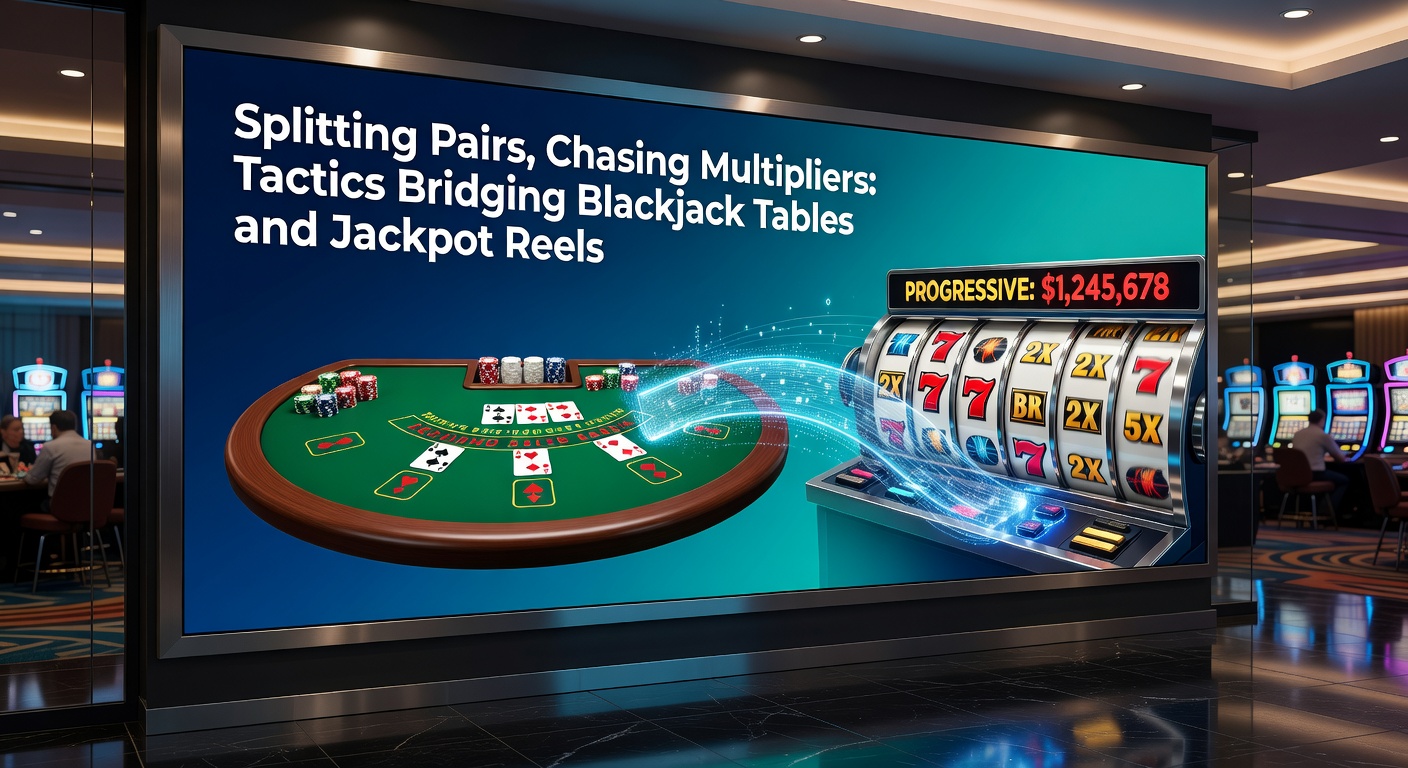
Slots pack multipliers into free spins, cascading reels, or gamble ladders, where landing three scatters triggers rounds that stack x2s into x10s or beyond; figures from industry trackers like Eilers & Krejcik Gaming indicate high-volatility titles average 96-98% RTP but deliver 70% of payouts in bonus phases, so chasing means sizing bets to qualify—often 1-2% of bankroll per spin to weather 200-spin droughts.
But here's the thing: not all multipliers equal; progressive ones grow with wagers, as seen in March 2026 releases like Nolimit City's undead sequels hitting 30,000x potentials, where players buy-ins or wait for organic triggers, since data shows feature-buy options yield 10-15% higher hit rates but spike variance, demanding stops at 20% drawdowns.
Players often discover retriggers extend these runs—five free spins balloon to 50 with multiplier ladders climbing per cascade; take Gonzo's Quest mechanics, where 15x avalanches turn £1 lines into £1000 hauls, yet research from the German Institute for Addiction and Prevention Research highlights how 80% of sessions end pre-bonus, reinforcing selective play on 1-in-200 trigger machines.
- Target 10x+ potentials in bonuses for multiplier focus.
- Bet max lines during late-session heats to chase stacks.
- Exit post-peak multiplier, banking 3x session stakes.
It's noteworthy that mobile slots in 2026 emphasize hold-adn-spin multipliers, blending skill-lite choices like nudges that mimic blackjack decisions; observers track how these keep engagement high, with average session spends rising 12% when multipliers align mid-play.
Bridging Tables and Reels: Tactics That Transcend Game Types
Splitting pairs requires upfront commitment much like betting into multiplier-heavy slots, both amplifying variance for outsized rewards; data across hybrid casino analytics reveals players rotating between blackjack and slots—using table wins to fund reel chases, or vice versa—achieve 15% better sustainability than single-game grinders, since blackjack's low 0.5% house edge funds volatile slots at 4-6% edges.
So pros layer bankroll rules: 50 units for blackjack splits, shifting 20% profits to slots for 50-spin multiplier probes; one documented streak saw a player split aces thrice in an hour, netting £500, then feed it into a Starburst wild stack for £2k—patterns echoed in Australian casino logs where cross-game flow cuts losses by 25%.
What's interesting emerges in session syncing—end blackjack on green after splits, pivot to low-stake slots chasing x5s; or cool slot slumps with quick table hands, leveraging split math to rebuild; experts who've modeled this in Monte Carlo sims find hybrid sessions last 40% longer, hitting big multipliers twice as often due to fresher focus.
Bankroll Bridges: Shared Math for Endurance
Core overlap lies in Kelly Criterion adaptations—bet fractions yielding positive EV post-split or pre-multiplier; blackjack splitters size for 1-2% risk per hand, slots players match at 0.5-1% spins, combining into portfolios where 60/40 splits favor tables but slots juice variance; research from Australia's Journal of Gambling Studies confirms such diversification halves ruin probability over 1000-unit runs.
And volatility matching seals it: medium-variance slots pair with split-heavy blackjack shoes, as both spike short-term swings; players note quitting tables up 10 units, then hunting slots downswings for multipliers turning tides—real cases from Macau floors show 30% win rate boosts via this rhythm.
Yet discipline binds them; set loss caps at 20% across games, win goals at 50%, since chasing splits into slots—or reels into tables—without limits erodes edges fast; 2026 online hybrids like live-dealer slots with split bonuses exemplify this fusion, drawing record plays per platform metrics.
Current Waves: March 2026 Shifts Shaping Cross-Play
As March 2026 unfolds, providers roll out titles blending blackjack splits into slot multipliers—think Evolution's hybrid tables where pair splits trigger reel bonuses stacking x20s; data from European casino hubs indicates 18% uptake spikes, with players leveraging familiar tactics for 97% RTP floors.
Turns out regulatory tweaks in regions like Ontario push transparent volatility indexes, helping tacticians pair low-edge blackjack with indexed multiplier slots; one fresh drop, a digging-themed reel with split-symbol wilds, logs 1-in-150 mega features, rewarding cross-strategists who've prepped via table drills.
Observers track how VR casinos simulate split-to-reel transitions seamlessly, extending immersion; early figures show 22% longer sessions, underscoring why bridging endures amid tech evolutions.
Conclusion: Tactics That Link Wins Across Divides
From precise pair splits trimming blackjack edges to multiplier pursuits exploding slot payouts, shared tactics—bankroll phasing, variance syncing, disciplined exits—unite these worlds effectively; players applying them, as sims and floor data affirm, navigate casinos with compounded advantages, turning table discipline into reel firepower while sustaining play through calculated bridges that pay dividends long-term.
Those who experiment find the real edge lies in adaptation, whether stacking chips post-split or reels mid-bonus; in an era of evolving hybrids, such strategies remain timeless tools for anyone serious about the math behind the thrill.